
Windows and doors do more than fill an opening in your wall. They control light, ventilation, security, energy efficiency, and the overall look of your home. Choose well, and they last for decades. Choose poorly, and you’ll deal with drafts, leaks, noise, and rising energy bills.
For homeowners building or renovating — and for project contractors sourcing for residential developments — this guide covers everything you need to know about buying windows and doors for global homes.
Why Windows & Doors Matter
Windows and doors are among the few building elements that affect almost every aspect of your home:
- Energy efficiency – Good windows and doors reduce heat loss in winter and heat gain in summer.
- Security – Strong frames, quality locks, and impact-resistant glass keep your home safe.
- Comfort – Proper insulation and glazing reduce noise and drafts.
- Aesthetics – Style, color, and material shape the entire look of your facade and interiors.
- Value – Quality windows and doors increase property value and appeal.
Whether you’re building a villa in Dubai, renovating an apartment in London, or developing a residential project in Australia, the right windows and doors are a long-term investment.
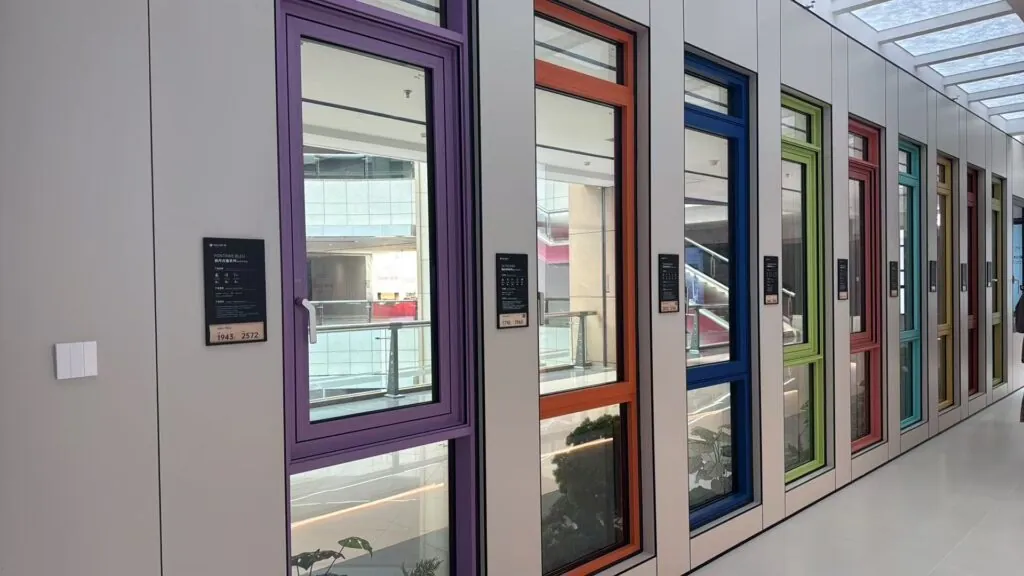
Part 1: Types of Windows
Different rooms and climates call for different window types. Here are the most common options.
Casement Windows
Hinged on one side and open outward. Excellent ventilation and easy to clean. Popular in Europe and coastal areas.
Sliding Windows
Slide horizontally along a track. Space-saving and ideal for modern apartments. Common in Asia and urban homes.
Awning Windows
Hinged at the top and open outward. Good for ventilation even during light rain. Often used in bathrooms and kitchens.
Fixed Windows
Non-opening windows designed for light and views. Often paired with operable windows for a clean, modern look.
Tilt & Turn Windows
Open inward for ventilation or tilt for safety. Popular in Europe for their dual function and energy performance.
Bay & Bow Windows
Project outward from the wall, creating extra space and panoramic views. Common in villas and traditional homes.
Part 2: Types of Doors
Doors are equally important — for security, insulation, and style.
Entry Doors
The first thing guests see. Available in wood, steel, aluminum, and fiberglass. Choose based on climate, security needs, and style.
Sliding Doors
Space-saving and ideal for patios and balconies. Often made of aluminum or steel with large glass panels.
French Doors
Hinged double doors, usually with glass panels. Classic, elegant, and great for connecting indoor and outdoor spaces.
Folding Doors
Fold and stack to one side, opening up an entire wall. Popular for villas, restaurants, and outdoor living areas.
Interior Doors
Used between rooms. Available in wood, MDF, glass, and more. Choose based on privacy, sound insulation, and style.
Part 3: Frame Materials
The frame material affects durability, maintenance, insulation, and price.
Aluminum
Pros: Lightweight, durable, rust-resistant, low maintenance. Great for modern designs.
Cons: Can conduct heat and cold unless thermally broken.
Best for: Modern homes, apartments, and humid climates.
Wood
Pros: Warm, natural, excellent insulation. Can be painted or stained.
Cons: Requires maintenance, sensitive to humidity and insects.
Best for: Traditional homes, villas, and interior doors.
uPVC
Pros: Affordable, energy-efficient, low maintenance. Good insulation.
Cons: Limited colors, less premium look.
Best for: Budget renovations and energy-efficient homes.
Steel
Pros: Very strong, secure, and durable. Slim sightlines.
Cons: Heavy, can rust if not coated, higher cost.
Best for: Security doors, industrial-style interiors, and large glass panels.
Fiberglass
Pros: Durable, energy-efficient, resistant to warping and denting.
Cons: Higher upfront cost.
Best for: Entry doors in extreme climates.
Thermally Broken Aluminum
Pros: Combines aluminum’s strength with thermal insulation. Modern and energy-efficient.
Cons: Higher cost than standard aluminum.
Best for: Premium homes and energy-conscious projects.
Part 4: Glass Options
Glass is where energy performance and comfort really come into play.
Single Glazing
One pane of glass. Affordable but poor insulation. Only suitable for mild climates.
Double Glazing
Two panes with a gap in between. Better insulation, less noise, reduced condensation.
Triple Glazing
Three panes for maximum insulation. Ideal for cold climates and noisy environments.
Low-E Glass
Coated to reflect heat while letting light in. Reduces energy bills year-round.
Laminated Glass
Two panes bonded with a plastic interlayer. Holds together when broken — ideal for security and safety.
Tempered Glass
Heat-treated for strength. Breaks into small, safe pieces. Required for doors and large panels in many countries.
At Home Master Shop, we source all glass types from real brand manufacturers — so you get certified quality, not unknown substitutes.
Part 5: Choosing for Global Homes
Different regions have different requirements. Here’s what to consider.
Climate
- Hot climates: Choose Low-E glass, thermal breaks, and light-colored frames to reduce heat gain.
- Cold climates: Choose double or triple glazing, thermally broken frames, and insulated doors.
- Humid climates: Choose aluminum or uPVC over wood to avoid swelling and rot.
- Coastal areas: Choose corrosion-resistant materials like anodized aluminum or stainless steel hardware.
Building Codes
Different countries have different standards for energy efficiency, safety glass, and fire ratings. Always check local regulations before ordering.
Security
For ground-floor windows and entry doors, choose laminated glass, multi-point locks, and reinforced frames.
Noise
If you live near a road or airport, choose double or triple glazing with laminated glass for better sound insulation.
Style
Match your windows and doors to your home’s architecture. Modern homes suit slim aluminum frames; traditional homes suit wood or aluminum-clad wood.
Part 6: Budget Planning
Windows and doors can take up 15–25% of a renovation budget. Here’s how to plan.
Key Cost Factors
- Size and quantity – More and larger units cost more.
- Frame material – uPVC is cheapest; wood, steel, and thermally broken aluminum cost more.
- Glass type – Single glazing is cheapest; triple glazing and Low-E cost more.
- Hardware – Multi-point locks, soft-close mechanisms, and premium handles add cost.
- Custom sizes – Standard sizes are cheaper; custom sizes cost more.
How to Save
- Buy factory-direct. Eliminate middlemen and showroom markups.
- Consolidate your order. Ship windows and doors together with other materials in one container.
- Choose standard sizes where possible. Custom is beautiful but costs more.
- Ask for multiple budget plans. See options at different price points before you decide.
At Home Master Shop, we provide multi-budget proposals so you can compare and choose what works for you.
Why Source Windows & Doors from Home Master Shop?
We’re not just a marketplace. We’re a one-stop whole-home material platform with a true front-showroom, back-factory model.
- Factory-direct pricing – No middlemen, no markups.
- Real brand manufacturers – No OEM. Every brand is accountable for quality and after-sales.
- 500-acre industrial park – Our suppliers produce inside our own park in Enping, China. You can visit, verify, and see it for yourself.
- Custom 3D design – Our designers create tailored layouts and multiple budget plans before you buy.
- One consolidated shipment – Windows, doors, tiles, cabinetry, and more — all shipped together.
- Global delivery – Door-to-door, with manufacturer-direct warranty and aftercare.
- Certified quality – All products meet export-grade standards for safety and performance.
Rooted in LOLA Ceramics since 1993, we’ve spent over 30 years exporting building materials worldwide. Today, we help homeowners and project contractors source smarter — from design to delivery.
Ready to Start Your Windows & Doors Project?
Whether you’re renovating a single room or building a full home, we can help you design, source, and deliver windows and doors that fit your space, your climate, and your budget.
Visit homemastershop.com to book a consultation, request a quote, or explore our catalog.
Home Master Shop — design it, source it, build it.
